
Knowledge centre
AI in gewone taal.
Sharing knowledge is part of working together. As your AI partner, we help you discover and better understand the world of AI.


Vind je antwoord
Zoek een begrip of filter de artikelen op onderwerp.
Filter op onderwerp
Alle artikelen
49 artikelen

AI-basis
What is generative AI?
Generative AI creates new content based on a prompt: text, images, music, video, 3D or code. What happens during the generation process, and how do you turn an interesting result into something useful for your work?

AI-basis
What is text generation using AI?
Text generation is the process of creating text using a language model. From draft emails and summaries to structured responses: the task and the available information determine the output.

AI-basis
What is image generation?
Image generation, or ‘beeldgeneratie’, enables AI to create new images or modify existing ones. A description or reference provides guidance; the model constructs the visual output.
AI-basis
What is music generation?
Music generation is the process of creating music using AI based on, for example, style, atmosphere, instruments or a sound clip. The model generates a musical composition which you can then listen to and edit.

AI-basis
What is speech and audio generation?
With AI, you can convert text to speech and generate other sounds. How do text-to-speech, sound effects and transcription differ, and where do they fit into a practical workflow?

AI-basis
What is AI-powered video generation?
Video generation creates moving images from a description, an image or an existing clip. The model must not only produce attractive images, but also maintain continuity between successive frames.

AI-basis
What is 3D generation using AI?
3D generation creates a digital spatial representation based on text or images. From concept object to textured model: the output is only usable when it is compatible with your design software and application.

Integration and development
What is code generation using AI?
Code generation allows a model to suggest, extend or adapt software code. The real value lies in the proposal fitting the existing project and being able to be implemented in a controlled manner.

AI-basis
How does generation work with diffusion models?
Many generative image models construct an image through successive steps starting from noise. What roles do the model, the prompt and the settings play during that process?

Your own AI environment
AI generation locally or via an API?
Text, images and other output can sometimes be generated on your own hardware or produced via an external model service. Which approach best suits your data, desired quality and intended use?

AI-basis
What are frontier models?
Frontier models are at the cutting edge of what AI is currently capable of. What does that say about quality, and when do you really need such a model?
Your own AI environment
What are open-source AI models?
Open source, open weights and free access do not mean the same thing. Find out what you can download, customise and run yourself — and what rights you need to do so.

AI-basis
What are tokens in AI?
A language model works with tokens: small building blocks of input and output. They help determine how much context fits, how long a response takes and what an API request costs.

Agents and workflows
What is model routing?
With model routing, a workflow selects which AI model will carry out a task. This allows you to combine local models and external APIs based on quality, data and costs.
Your own AI environment
What is quantisation in AI models?
Quantisation stores model data with lower precision. As a result, a model may require less memory, but the impact on speed and quality varies depending on the application.

Integration and development
What is fine-tuning?
Fine-tuning further trains an existing model using targeted examples. When is this helpful, and when are a better prompt or document search function sufficient?

Agents and workflows
What is tool calling?
With tool calling, a language model can suggest calling a function. Your software retrieves data or performs an action, within the permissions you set yourself.

Integration and development
What is MCP, the Model Context Protocol?
MCP provides AI applications with a unified way of accessing tools and information sources. What does this make easier, and what do you still need to sort out yourself?

AI-basis
What are AI hallucinations?
AI can provide a convincing answer that is factually incorrect. Learn how to recognise fabricated information and build applications that handle uncertainty more effectively.

Your own AI environment
What is digital sovereignty?
Digital sovereignty is about having control over your data, systems and choices. In the context of AI, this also encompasses model access, management and the ability to switch providers.

AI-basis
What is ablation in language models?
Abliteration adjusts a model’s internal properties to reduce learned rejection behaviour. What does this change, and what does it not tell us about the quality?

AI-basis
What are the weights of an AI model?
Weights are the trained numbers that determine how a model processes information. Find out how model weights, parameters and a downloadable model file are related.

Your own AI environment
What is KV-cache in an LLM?
The KV cache stores intermediate results from a language model, so that it does not have to repeat as much work during text generation. This helps with speed, but also requires memory.

AI-basis
What is a vector in AI?
A vector is an ordered sequence of numbers. In AI, such a sequence helps to represent, compare and retrieve information — for example, when searching by meaning.

Your own AI environment
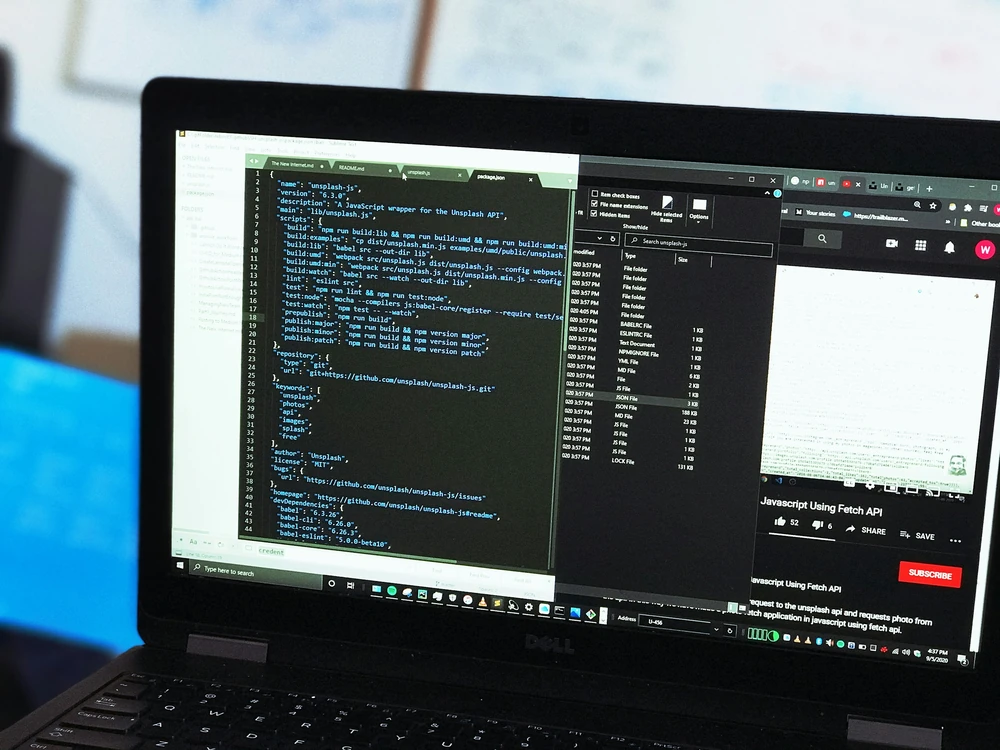
What is a token factory?
A ‘token factory’ is a metaphor for infrastructure that produces AI output. What lies behind such a factory, and how does this relate to inference and costs?
AI-basis
What is inference in an LLM?
Inference is the process of using a trained model to produce an outcome. In the case of an LLM, this involves processing input and then constructing a response.

AI-basis
What is a vision model?
A vision model processes visual information, such as photographs and document images. A vision-language model combines this with language to answer questions about an image.
Integration and development
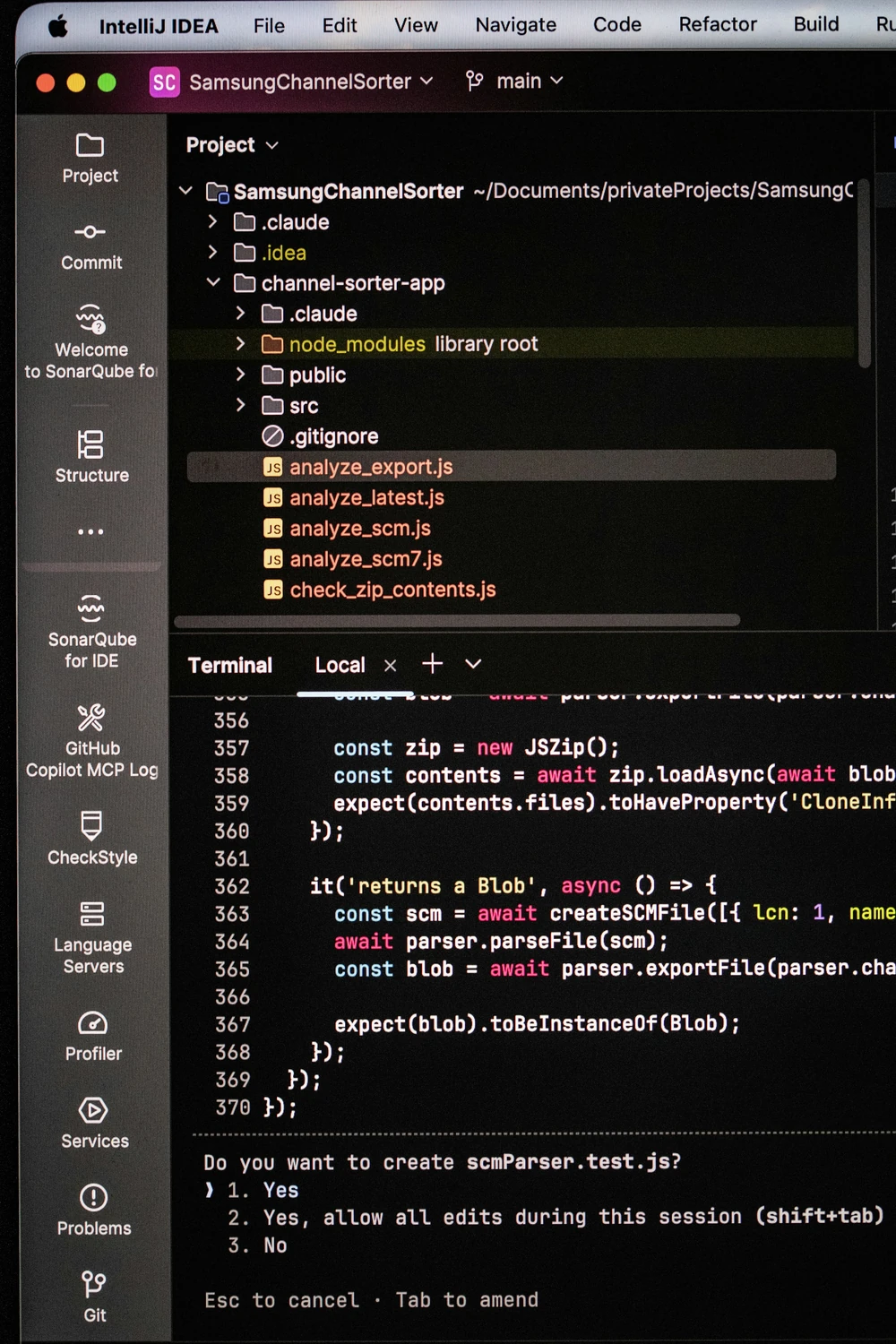
What is a coding model?
A coding model is designed for tasks involving software code. It can assist with explanations, additions and modifications, but a functioning development environment also requires tools and tests.

Your own AI environment
What is a VC subsidy for AI services?
Investors and temporary grants can finance growth before a service pays for itself. How might such a potential grant affect your view of AI costs?

Your own AI environment
What is loss-leader pricing in the context of AI?
With loss-leader pricing, an offer is priced at a loss to attract customers. How does this differ from a temporary discount, finance options and predatory pricing?

Your own AI environment
What is predatory pricing, or price gouging?
Predatory pricing refers to low prices that can exclude competition. Why is a cheap AI API not in itself evidence of such a practice?

Your own AI environment
What is vendor lock-in in AI?
Vendor lock-in occurs when switching suppliers becomes difficult or expensive. With AI, this dependency often lies in data, APIs, model behaviour and workflows all at once.

AI-basis
What is an LLM?
An LLM is a large language model that can understand, predict and generate text. It often seems intelligent, but the quality of the result depends heavily on context, model choice and how you use it.

Your own AI environment
What is edge AI?
Edge AI means that AI runs close to the source of the data, for example on a device, server or local network. This allows you to work faster and often gives you greater control over privacy, continuity and costs.

Your own AI environment
What is local AI?
Local AI means that AI runs within your own environment, for example on a local device, server or network. It is about having greater control over data, availability, costs and dependence on external AI platforms.
Your own AI environment
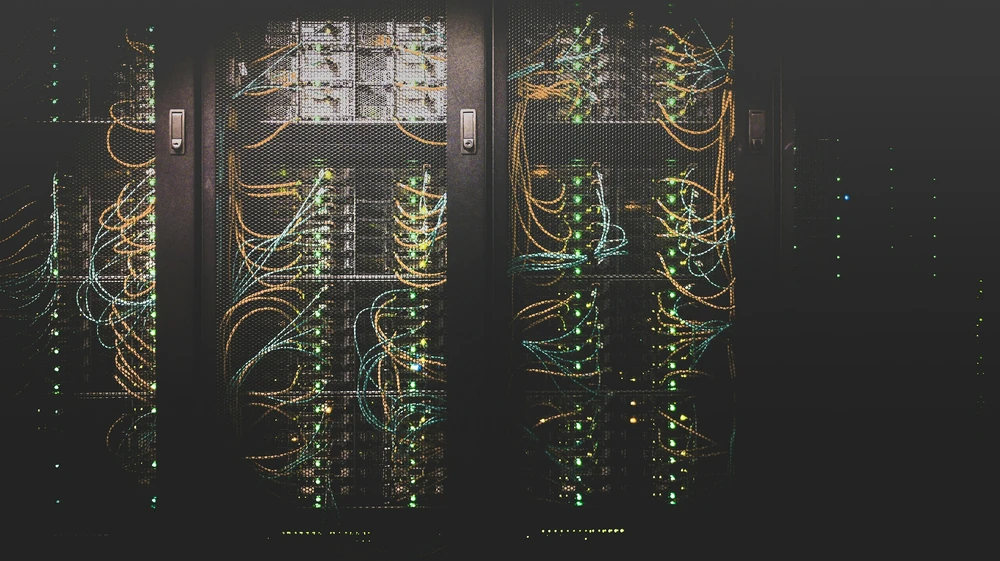
What is on-premises AI?
On-premise AI means that AI runs on infrastructure managed by your own organisation or at your own premises. This can help with privacy, compliance, business continuity and control over systems.

Your own AI environment
White-label hardware, AITJE software
White-label hardware with ‘AITJE’ software means that ‘AITJE’ selects suitable hardware and provides the software layer, configuration and AI functionality tailored to the application.

Agents and workflows
What is RAG?
RAG is a method whereby a language model first retrieves relevant information from documents or a knowledge base before providing an answer. As a result, answers are often more specific, better substantiated and more useful for your own organisation.
AI-basis
What is context in AI?
Context is all the additional information you provide to a model so that it better understands what you mean. Good context makes the difference between a generic answer and something that really suits your task, organisation or document.

AI-basis
What is a context window?
The context window is the maximum amount of information a model can process in a single interaction. This determines how much text, chat history or document fragments can be used at any one time.

Agents and workflows
What is an AI agent?
An AI agent is a system that not only provides answers, but can also take steps towards a goal. This includes retrieving information, making choices, using tools and carrying out a task partly automatically.

Integration and development
What are embeddings?
Embeddings convert text into vectors so that systems can recognise pieces of information that are similar in content. They form an important foundation for semantic search and many RAG applications.

AI-basis
What is prompt engineering?
Prompt engineering is the deliberate formulation of instructions to ensure a model produces useful output. It is not about tricks, but about clarity regarding the objective, context, tone, preconditions and desired format.

Integration and development
What is an API?
An API is an agreed method by which systems exchange data or functions with one another. It is the interface that allows software to communicate with other software without the need for manual copying and pasting.

Integration and development
What is a webhook?
A webhook is an automatic message sent from one system to another as soon as something happens. This allows you to trigger processes immediately without having to constantly check for new information.

Integration and development
What is a backend?
The backend is the part of the software where processing, logic, integrations and data flows run behind the scenes, out of the user’s view. It is the technical layer that ensures an app or website can actually do something.

Integration and development
What is a front-end?
The front end is the part of the software that users see and interact with directly. It encompasses screens, forms, feedback and interaction, and therefore relates to how user-friendly and intuitive a system is in practice.
Your own AI environment
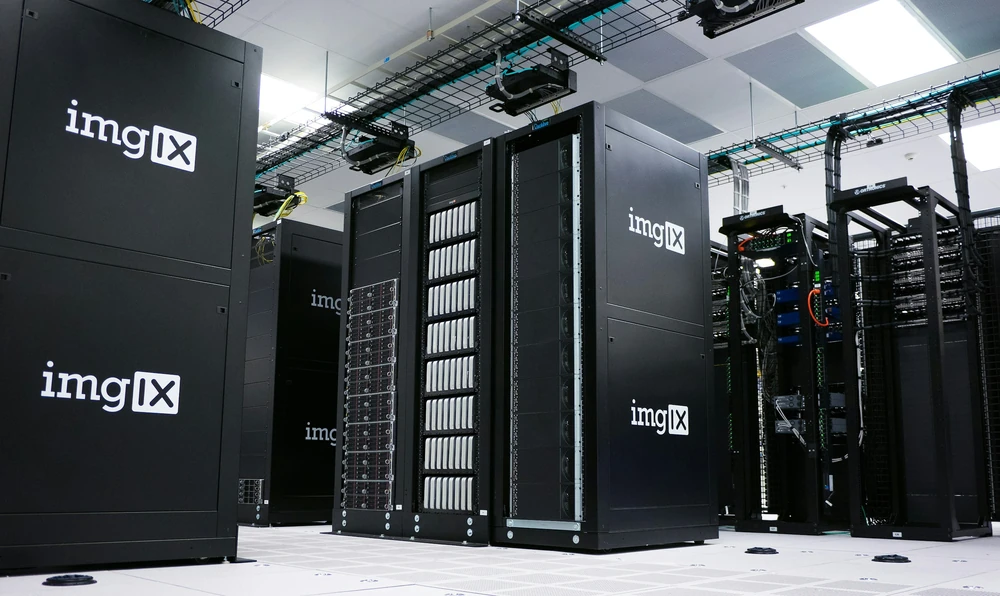
What is the cloud?
By ‘cloud’, organisations usually mean software, storage or computing power made available via external infrastructure. This offers flexibility, but also involves decisions regarding data, dependency and management.
Agents and workflows
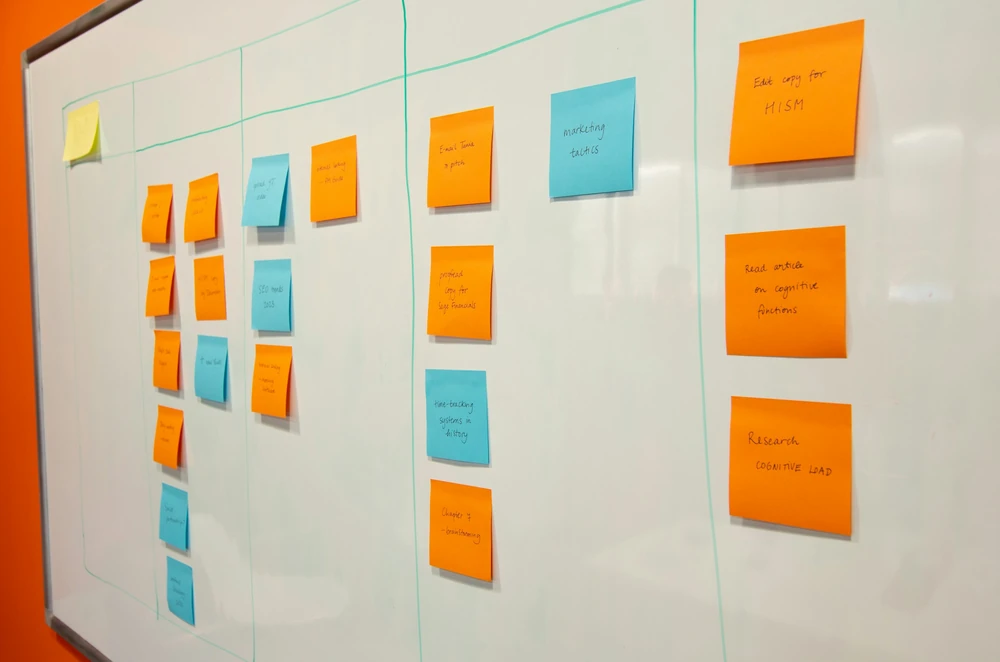
What is a workflow?
A workflow is the fixed sequence of steps through which work, information and actions move through a process. Only once you have a clear understanding of your workflows can you truly assess where software, automation or AI adds value.
MOVING FORWARD TOGETHER WITH AI
Would you like to know what this means for your work?
An explanation is just the start. AITJE would be happy to take a look at your situation and translate it into concrete options.