In brief
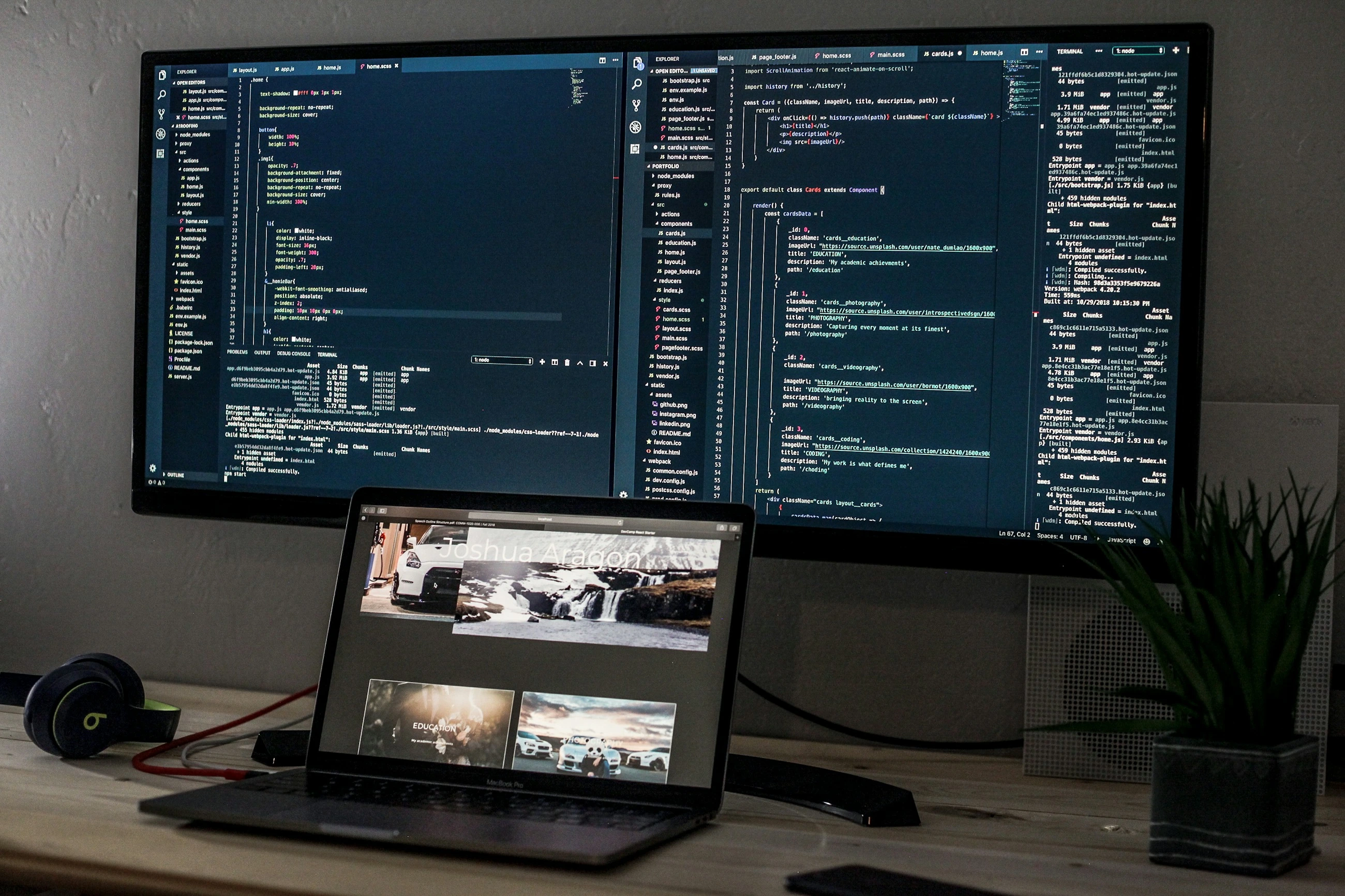
The front end is the interface of a website, portal, dashboard or app. It is the part that users interact with directly: buttons, forms, tables, navigation, notifications and other visual elements.
Why is front-end development important?
Even if the technology behind it is robust, a solution can still be frustrating if the interface feels unclear or sluggish. Front-end development is therefore not just about appearance, but also about ease of use, clarity and trust.
What will a user see as a result of this?
Users notice the front-end in terms of loading time, readability, error messages, the sequence of steps and how intuitive an action feels. A good front-end makes complex processes manageable. A poor front-end makes simple tasks unnecessarily difficult.
How does the front-end work with the back-end?
The front-end collects input and displays results. The back-end processes that input and returns data or actions. Effective collaboration between the two ensures that a system not only looks good, but is also functionally sound and continues to operate reliably.
How do you assess quality?
Look for clarity, speed, error handling, accessibility and whether the interface aligns with the actual work process. A good front-end isn’t impressive for its design, but makes sense in terms of usability.
From concept to practice
How AITJE applies this
We tailor the user interface to suit the people using the application. This could be a chat, a form or an overview of suggested actions. The interface highlights any missing information and indicates where an employee needs to make a judgement. A clear front-end helps prevent a draft response from being interpreted as a completed action; the back-end monitors the actual execution.
Explore bespoke AI solutionsFrom explanation to application
Would you like to know what this means for your work?