In brief
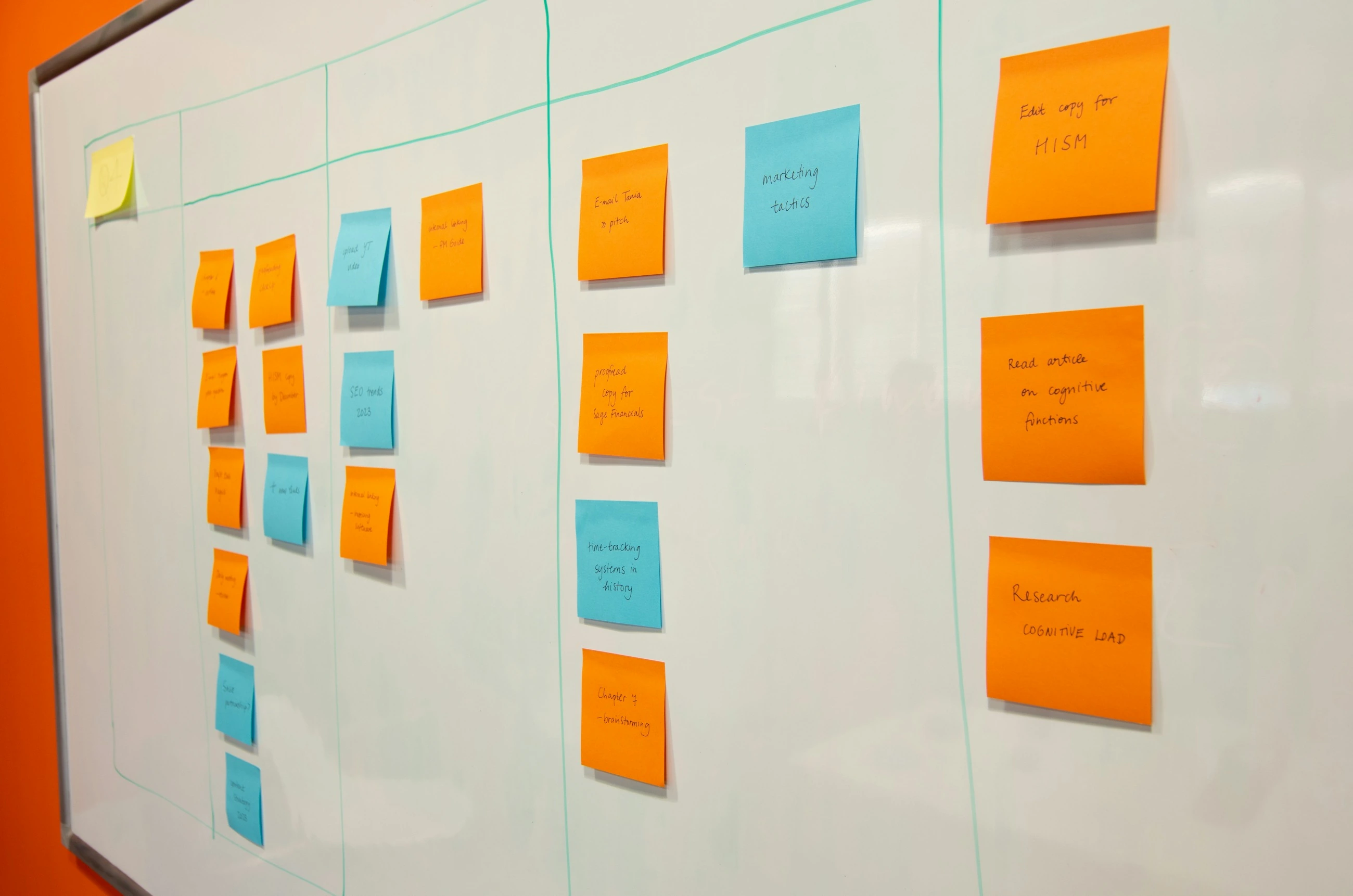
A workflow describes how a task is carried out step by step. Think of data entry, checking, processing, approval, feedback and any follow-up. It is therefore not just about what happens, but also in what order and by whom.
Why do you hear this so often with software?
Software often supports or automates existing workflows. If you do not understand how a process works, it is difficult to determine where a system should assist. That is why a workflow-based approach is important for bespoke software, integrations and AI applications.
What makes a workflow effective?
A good workflow is clear, repeatable and takes exceptions into account. Roles, inputs, decision points and checkpoints are then visible. This makes a process less dependent on individual knowledge held by staff members.
Where does AI come into the picture?
AI is particularly useful in parts of a workflow where language, classification, summarisation or preparation play a role. There is little point in haphazardly adding AI without understanding where the real bottlenecks and quality risks lie.
Common mistake
Organisations sometimes look at the tools first and only then at the process. That can easily lead to automating the wrong things. It is better to get the workflow right first and then determine which steps can best be supported by software, integrations or AI.
From concept to practice
How AITJE applies this
AITJE It starts with the work process: what comes in, what information is needed and when is the task complete? We separate fixed rules and data retrieval from the steps where AI adds value. We then build links and checks around that sequence. Exceptions are also assigned a route, so that not only does an ideal demonstration work, but staff also know what to do in the event of missing or unclear input.
Explore bespoke AI solutionsFrom explanation to application
Would you like to know what this means for your work?