
Content
Write and translate texts, and update product information.
Token management & optimisation
Content, knowledge, images or code: AITJE investigates how your organisation uses AI and what it costs. Subscriptions, models and workflows are then tailored to the task.
Fixed hourly rate

Where are your AI budget and tokens going? ‘AITJE’ identifies which teams are using AI, for which tasks, and via which subscriptions, APIs and in-house models. From writing text and searching for knowledge to generating images, building code and other applications.
AITJE then investigates which setup is most suitable: multiple smaller subscriptions, a shared model budget, groups of specialised agents, or a combination of external, local and edge models. The choice is based on the workload, quality and total cost per usable result.
The workflow itself is also important. Dividing tasks, providing specific information and carrying out fixed actions using code can reduce unnecessary token usage. This service can be purchased separately; the AI scan provides a broad overview of your usage and opportunities for optimisation.
A comprehensive overview of the entire organisation
AITJE looks at who uses AI, for what purpose and via which tools. This goes beyond a single model or a single API integration.
Write and translate texts, and update product information.
Searching through documents, answering questions and summarising information.
Generating and editing images, audio or video.
Building software, analysing code and carrying out development tasks.
Not everything is billed in tokens. Subscription fees, image credits, minutes and other usage units are also taken into account. The comparison focuses on the cost per usable result.
Where optimisation is possible
A lower token price means little if the model requires more attempts. That is why AITJE looks at the task as a whole: quality, speed, resource usage and the surrounding systems.
Multiple smaller subscriptions, a shared model budget or API usage: what best suits your actual usage?
An advanced external model, a smaller local model or on-device processing. Quality and capacity determine the choice.
A cluster of specialised agents can divide up tasks. AITJE assesses the benefits of this collaboration and the cost of any additional calls.
Provide only relevant data, define the scope of tasks and execute fixed steps using code. This reduces the workload for the LLM.
Allocate costs to tasks or teams, with appropriate budgets, limits and logging for the agreed usage.
This is how it can be done more intelligently
A workflow can be broken down into smaller tasks. Code retrieves the correct data and performs calculations; the model is given a specific task containing only the necessary information.
Retrieving, filtering and calculating data.
An external, local or edge model, suited to the stage of the process.
Only the necessary context and a clear brief.
Code is validated; quality is tested.
Illustrative calculation example
Suppose a workflow uses a total of one million tokens per end result. By splitting the task, sending less data and automating fixed steps with code, only one hundred thousand tokens are needed to achieve a result of the same quality.
Both figures are calculated using the same hypothetical rate of €4 per million tokens, for input and output combined. This is not a client result or a fixed savings promise. Code, hosting, development and management are separate from this. In a real-world comparison, quality, retries and failed results would also be taken into account.
A smaller model may be well suited to a well-defined task, whilst a more complex step requires a more powerful model. AITJE compares results with your examples and also takes into account verification work and additional attempts.
A central API layer can manage model selection, limits, logging and error handling. This allows your workflow to use different models without having to maintain separate connections and settings everywhere.
How it works
Which teams use AI, for which tasks and at what cost? ‘AITJE’ identifies subscriptions, models, tokens and other usage, such as image credits. Where available, quality, turnaround time and repetitive work are also measured.
Based on your requirements, AITJE compares subscriptions, APIs and suitable external, local and edge models. Shared budgets and groups of specialist agents may also form part of the approach.
Within the agreed scope, tasks are allocated, prompts are refined and data is retrieved in a targeted manner. Code handles the routine work; the chosen model is provided with the correct context. Where useful, limits, the reuse of results and central model routing are incorporated.
AITJE It compares the costs, quality and speed before and after the adjustments, including any additional attempts. Documentation, logging and agreed management help to monitor usage going forward.
What you get
Overview of AI usage by team and task, where measurable
Insight into subscriptions, tokens, API costs and other model usage
A well-founded proposal for models, budgets and workflows
The agreed changes to model calls, context and task allocation
Price
Fixed hourly rate
An hourly estimate is provided in advance for assessment, comparison, implementation and, where applicable, management. You can also opt to have just an analysis carried out. We reuse findings from the AI scan. Subscriptions, model usage, hardware and hosting are quoted separately.
Discuss your token usageNot included as standard
Case studies
From searching through internal knowledge to connecting work processes. Discover the application, the need and the approach.


Development agency / Assistant, Coder & model management
AITJE set up a shared AI environment for a development agency, featuring Assistent, Coder and ten models to choose from. A shared token pool of €350 per month replaces nine subscriptions to €200. Model usage and token costs per task can be tracked via Asana.
View the approach

E-commerce / Chargers & electronics
AITJE built a workflow for a leading Dutch online shop specialising in chargers that supplements product descriptions with technical charging data, translates them for four markets and uploads them directly back into the CMS. Without any external costs per AI token.
View the approach
Power leads / 3D catalogue & workflow optimisation
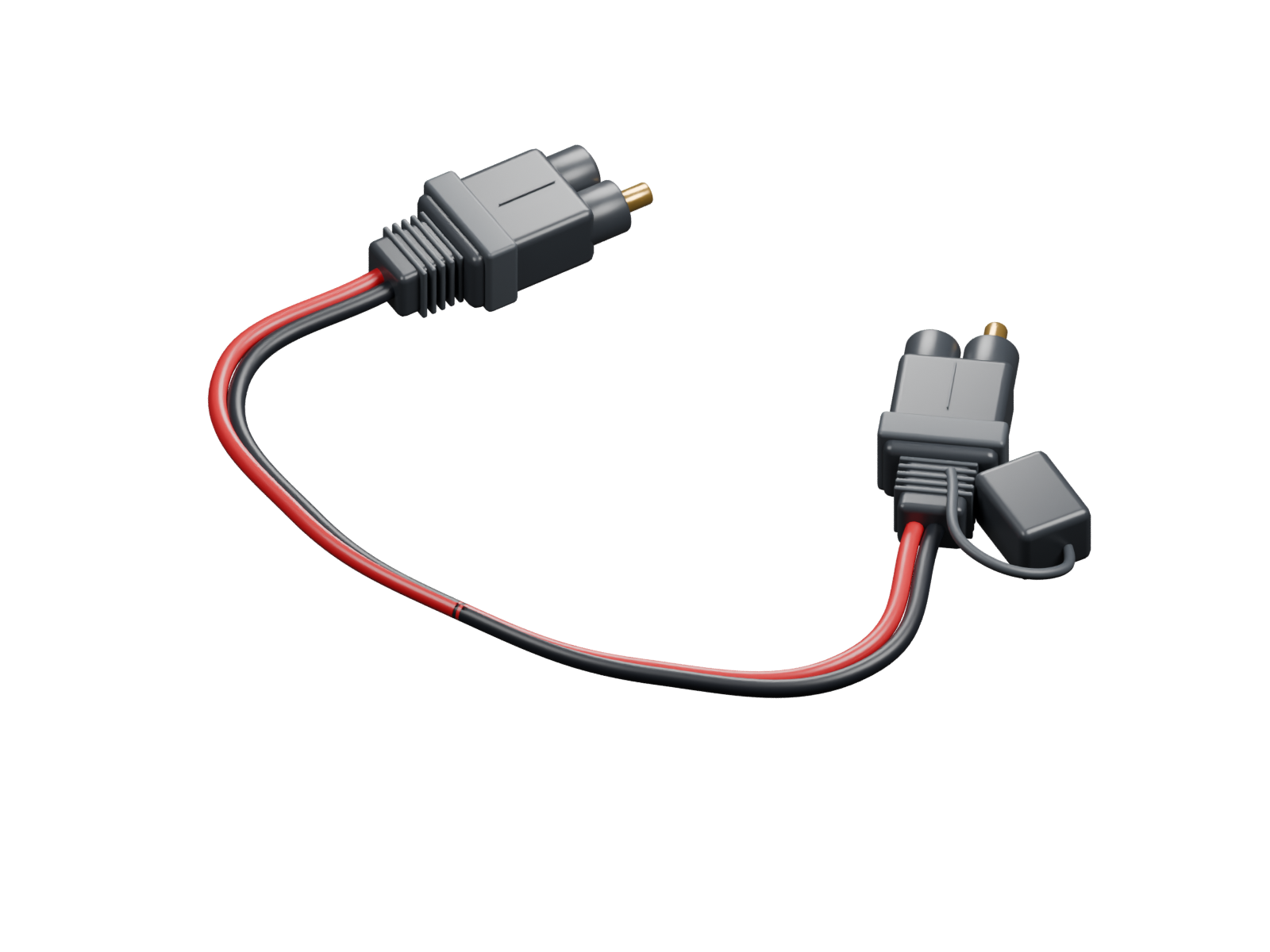
AITJE built a workflow for a partner specialising in contact cables that converts product data and technical drawings from WordPress into 3D models. AITJE Coder controls Blender; Three.js makes the GLB files usable on the website. Following optimisation, API costs fell from approximately €9 to €0.11–€0.18 per product.
View the approachFrequently Asked Questions
AITJE It maps out how your organisation uses AI and what that costs. It then examines subscriptions, model selection, agents and workflows, and makes adjustments where agreed. The aim is to reduce unnecessary usage whilst maintaining the required quality. Read more about Token management & optimisation.
Both. The AI scan provides a broad overview of your current AI usage, subscriptions and opportunities for optimisation. A comprehensive model comparison, workflow adjustments and ongoing management are covered under a separately agreed engagement. You can also purchase this service directly, without first carrying out a scan.
No. ‘AITJE’ also considers AI usage via subscriptions and applications for content, knowledge, images, code and other tasks. Not every service is billed in tokens: for images, audio or video, for example, credits, the number of images or minutes may be relevant. This usage data is factored into the cost per usable result.
That’s possible. Multiple smaller subscriptions, a shared model budget or API usage may be a better fit than the current setup. AITJE compares actual usage, included capacity, limits, quality and terms and conditions. Which combination is right depends on your team and tasks.
Groups of agents, each carrying out a specific part of the work, such as retrieving information, writing text and checking the result. Each step can be assigned a suitable model and specific context. AITJE assesses whether this division of labour adds value to your workflow; additional agents may also mean extra calls and management overhead.
Yes. AITJE can combine advanced models via external APIs with models on its own servers or local devices. Edge models run on, or close to, the device where the task takes place. The task, capacity and data flows determine the most suitable approach. With in-house models, hardware, power, hosting and management remain part of the costs.
No. ‘AITJE’ tests your tasks and compares quality, speed, usage and the number of attempts. A model with a lower token price may require more calls; a more expensive model may actually work out cheaper for a particular step.
This is a sample calculation, not a firm commitment. Assuming a hypothetical flat rate of €4 per million tokens, one million tokens would cost €4 and one hundred thousand tokens would cost €0.40. The achievable savings depend on the workflow, output, quality and retries. Costs for code, hosting, management and development are separate from this.
For example, retrieving data via an API, selecting relevant fields, performing calculations and checking the output against fixed rules. The model is given a clearly defined task with specific context, rather than all the raw data and steps in a single large prompt.
Yes. AITJE can build a central layer for model calls and a new workflow, including routing, logging, budgets and limits. Access, key management and a form of ongoing management are also agreed in advance.
This service focuses on AI usage and costs within your organisation: subscriptions, models, agents and workflows. Optimisation assesses an existing AI solution more broadly, for example in terms of reliability, stability and human oversight.
By testing the end result. ‘AITJE’ compares the original and the adapted workflow on the same tasks and assesses whether the outcome still meets the agreed requirements. Fewer tokens or a cheaper model only constitutes an improvement if the result remains good enough.
Yes, provided that usage is measurable and can be attributed. AITJE monitors subscriptions, model calls, token usage and other consumption per task or team. Where necessary, logging can be set up to gain that insight.
AITJE A fallback can be built: an alternative route or a different model that takes over the task. For critical steps, a local or edge model may be a good choice. Which fallback is possible depends on the task and is agreed upon during the setup.
AITJE It can incorporate limits on attempts and costs, logging and clear stopping points. At key moments, an employee may first need to assess whether the workflow can continue: ‘human in the loop’. In this way, technical limits are combined with human oversight.
MOVING FORWARD TOGETHER WITH AI
Content, knowledge, images or code: AITJE investigates how your organisation uses AI and what it costs. Subscriptions, models and workflows are then tailored to the task.