A new context
Separate sessions per task or client, with memory settings configured accordingly. Previous conversations are not included unless necessary.
Safe use of AI
Protect personal data before a model call. Restrict access and actions. Have key steps checked. AITJE helps to set up the appropriate technical measures.
From €225Excl. VAT

Safe AI usage begins before you send anything to a model. What information is really necessary? Is this employee authorised to use that data? Can names, contact details and other identifiable details be removed? AITJE helps you incorporate these choices into your workflow.
This is followed by checks on responses, actions and costs. With appropriate guardrails, staff approval, logging and limits, you determine what the solution is permitted to do. ‘AITJE’ also examines where data is processed and stored, and when processing within your own environment is more appropriate.
First the data, then the model
AITJE It can prepare data locally before calling upon an external frontier model. Personal data and other identifiable details are removed or replaced, and the necessary context is selected.
NameExample client
Emailklant@example.invalid
QuestionHow do I reset my device?
QuestionHow do I reset my device?
Only the necessary question remains.
Removing a name is not always enough. If the remaining text makes someone identifiable, that context also requires an adjustment. Using labels can constitute pseudonymisation; this does not automatically amount to full anonymisation.
Role-based access
The application checks who the user is and which documents, categories and text passages they are authorised to use. Only then does RAG retrieve the authorised knowledge.
The model does not therefore see sensitive data straight away. The same access controls apply to linked tools and actions.
Illustrative breakdown of roles
Access is enforced within the application, prior to retrieval and at every tool call.
More than one check
Separate sessions per task or client, with memory settings configured accordingly. Previous conversations are not included unless necessary.
Disable training models where possible and check agreements regarding retention periods or zero-data retention. Sensitive steps may remain local.
A filter layer for inputs and sources, restricted tool permissions and control over actions. Limits are also enforced outside the model.
Budget control prior to calls, limits per user and task, and a maximum number of repetitions. With automatic stops when limits are exceeded.
Validate output using code, source verification or a second model. For important actions, an employee must first give approval: human-in-the-loop.
Record user, model, confirmation and action. Agree on log access and retention periods, and protect API keys with restricted permissions.
The measures are tailored to your environment and tested. RAG and an additional assessment model can assist with source and quality control; key outcomes are also subject to human assessment where necessary.
How it works
Which data goes to which model? Who has access, what actions are possible and how is usage restricted?
AITJE It examines processing, storage, training settings, retention periods and existing controls. Unknown information remains identifiable.
A proposal for data minimisation, role-based access rights, guardrails, confirmation and limits. You choose which adjustments are necessary.
Implementation is agreed separately. AITJE tests the chosen measures, including in the event of unauthorised access, unwanted instructions and exceeded limits.
What you get
Components
A targeted review of a limited number of known AI services, available provider information and settings. Approximately three hours for a straightforward situation. We reuse findings from a scan; uncertainties remain visible.
From €225
Anonymisation, role-based access rights in RAG, guardrails, employee confirmation, budget limits and logging. The chosen adjustments will be agreed in advance.
Fixed hourly rate
Explanations, guidelines and resources for working with AI smartly and securely, either as part of your collaboration or on its own.
On request
Price
From €225
Excl. VAT
For a simple AI data location check, allow approximately three hours for a limited number of known services. The basic inventory is already included in the AI scan; we reuse previous findings. In-depth technical research and implementation are subject to a separate hourly estimate. The services to be examined and the scope of delivery are agreed in advance.
Discuss your use of AINot included as standard
Case studies
From searching through internal knowledge to connecting work processes. Discover the application, the need and the approach.


Estate agency / In-house expertise & website chat
For an estate agency, AITJE linked Realworks, email inboxes and Google Drive to its own AI assistant. Staff chat with the knowledge relevant to their role. The website chatbot uses a separate, carefully selected knowledge base from the same environment.
View the approach

Development agency / Assistant, Coder & model management
AITJE set up a shared AI environment for a development agency, featuring Assistent, Coder and ten models to choose from. A shared token pool of €350 per month replaces nine subscriptions to €200. Model usage and token costs per task can be tracked via Asana.
View the approach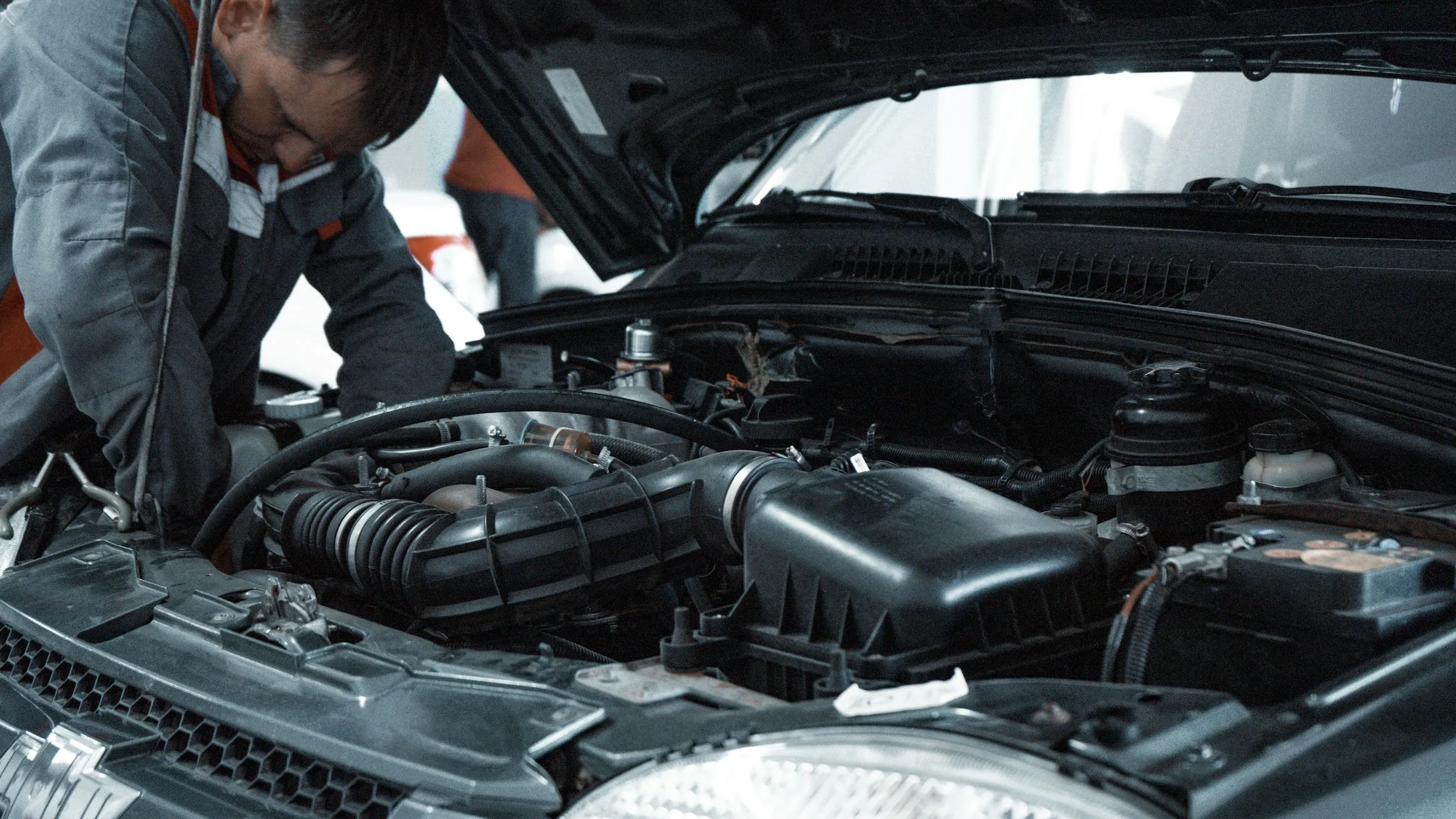

Automotive / Voice-controlled workshop
AITJE, developed a voice-controlled application for a local garage that serves over a hundred customers a day. Six Android tablets connect mechanics to technical information, work orders and their administrative records – simply by asking.
View the approachFrom €225 excluding VAT for a straightforward scenario, estimated at approximately three hours. We check a pre-agreed, limited number of known AI services, settings and available provider information. The basic assessment forms part of the AI scan. We reuse previous findings; additional technical research and measures are quoted separately.
AITJE It maps out data flows, access, data locations and settings, and can implement practical measures. These include deleting personal data prior to an external model call, role-based access rights for the knowledge base, human verification, guardrails, usage limits and logging. The scope of the investigation and implementation is defined in advance.
Yes. AITJE can incorporate a local preparatory step that removes or replaces names, contact details and other identifiable details, and forwards only the necessary information. Whether the result is truly anonymous also depends on the wider context. Replacing a name with a label does not automatically constitute full anonymisation.
A new context for each task or client limits which previous messages are passed on to the next query. AITJE can separate sessions, memory and context. This does not automatically change what the provider itself stores or uses for training: those settings and agreements are checked separately.
AITJE checks which settings and options are available for the selected service. Disabling the use of data for training is not the same as not storing any data. Zero-data retention may be available for certain APIs and functions, subject to conditions and exceptions. AITJE will investigate what actually applies to your specific use case.
The application verifies the identity and role before RAG retrieves data. The search query is restricted to authorised documents, text passages and categories. The same permissions apply to tool calls and other integrations. Restricted content should therefore not first be provided to the model with only the instruction not to share it.
AITJE It can combine multiple checks: verifying input and retrieved documents, separating instructions from source material, restricting tool permissions and validating actions. A filter layer or LLM firewall can help with this, but does not stop every attack. That is why access and permitted actions are also enforced and tested outside the model.
Yes. AITJE can configure budgets, limits per task and user, rate limiting and a maximum number of attempts. Before a new call, the application can check whether there is still budget available. Provider warnings do not always result in an immediate halt; therefore, the system checks which limits actually cause a block. Ongoing calls and delayed usage reporting are taken into account in the configuration.
This is agreed in advance. For example, before a message is sent, a payment is processed or important data is amended. The employee sees the proposal and the consequences and must give their explicit consent before the action is carried out. The confirmation and execution can be logged.
AITJE It can link responses to authorised sources via RAG and check output against code for format, required fields and permitted actions. A second model, LLM-as-a-Judge, can provide additional oversight. RAG and a second model can help identify errors, but do not rule them out entirely. For important outcomes, human assessment remains an appropriate check.
For example, who initiated a task, which sources and model versions were used, what action was proposed, who gave approval and what was carried out. AITJE determines the level of detail, access and retention period. Personal data, full prompts and API keys do not need to be included in a log file by default.
Processing locally can prevent content from being sent to an external model provider. The environment itself still requires appropriate network security, access rights and management. AITJE also checks connections, logging and fallback routes to ensure that confidential data is not sent via an alternative route.
No. A location tells you something, but not everything. ‘AITJE’ also looks at who has access, what is being stored and which settings are enabled.
No. ‘AITJE’ handles the technical side: where data goes and what measures are possible. For a legal opinion, you’ll need a specialist.
MOVING FORWARD TOGETHER WITH AI
Protect personal data before a model call. Restrict access and actions. Have key steps checked. AITJE helps to set up the appropriate technical measures.